
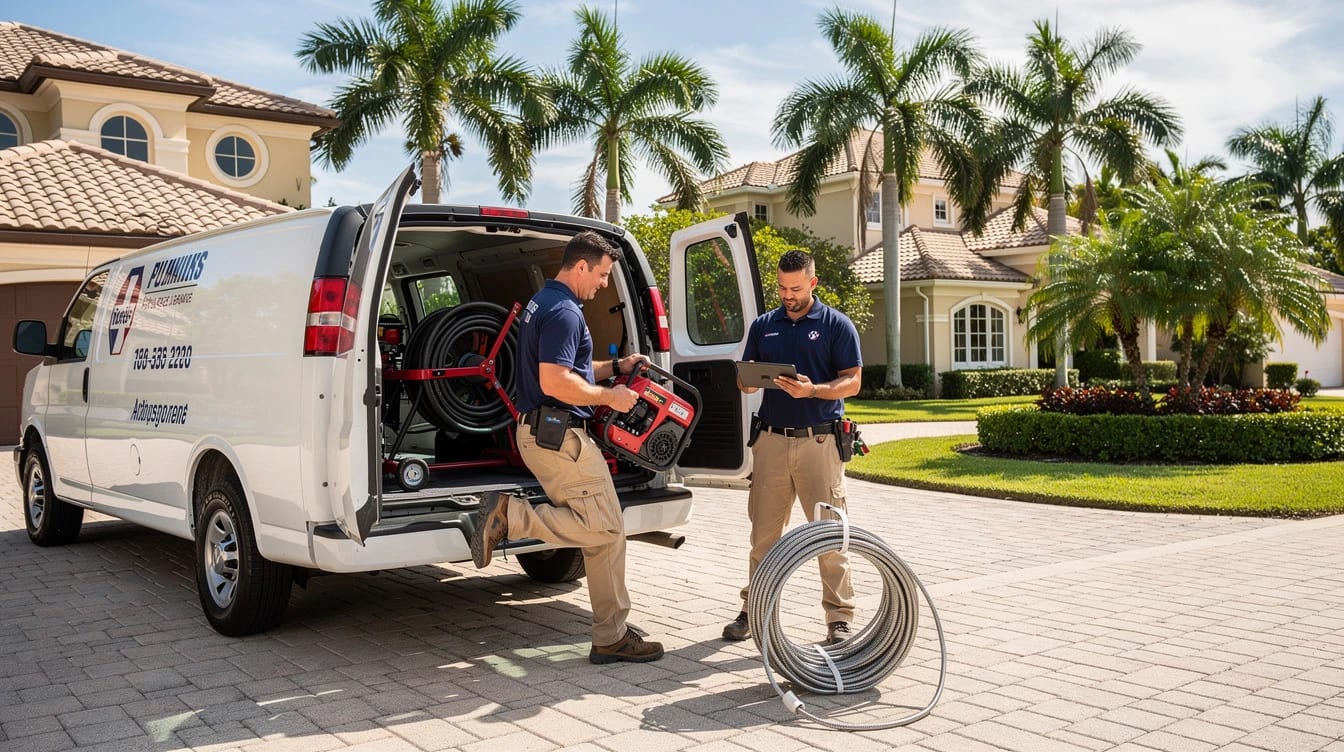
Cast Iron Pipes in South Florida Homes: Repair, Line, or Replace?
Plenty of Palm Beach County homes built before the mid-1970s still run their drain and waste lines through the original cast iron. Decades of humidity, sandy soil, and everyday use have taken a toll on that pipe, and knowing what to look for changes how much you pay to fix it.
Fifty to sixty-five years, and then it's done
Cast iron drain and waste pipe was the go-to material across South Florida from roughly the 1950s through the mid-1970s. It handled fire codes well, muffled the sound of water moving through walls, and held up to normal wear far better than the clay pipe it replaced. Contractors ran it under slabs throughout Boca Raton and the rest of Palm Beach County without a second thought.
The catch is that cast iron has a working lifespan, usually somewhere between 50 and 65 years depending on soil and water conditions. Homes built in that older wave are now sitting right at or past that mark, which is exactly why our crews field so many calls tied to failing drain lines in the same neighborhoods year after year.
In Boca Raton the split is geographic. East of the I-95, in zip codes like 33432 and 33486, the housing stock is largely 1960s and 1970s and cast iron under the slab is the norm, with copper on the supply side. The oldest pockets, Old Floresta and Pearl City, go back to the 1920s and 1930s and can still hide galvanized supply lines choked with rust.
What speeds up the clock here
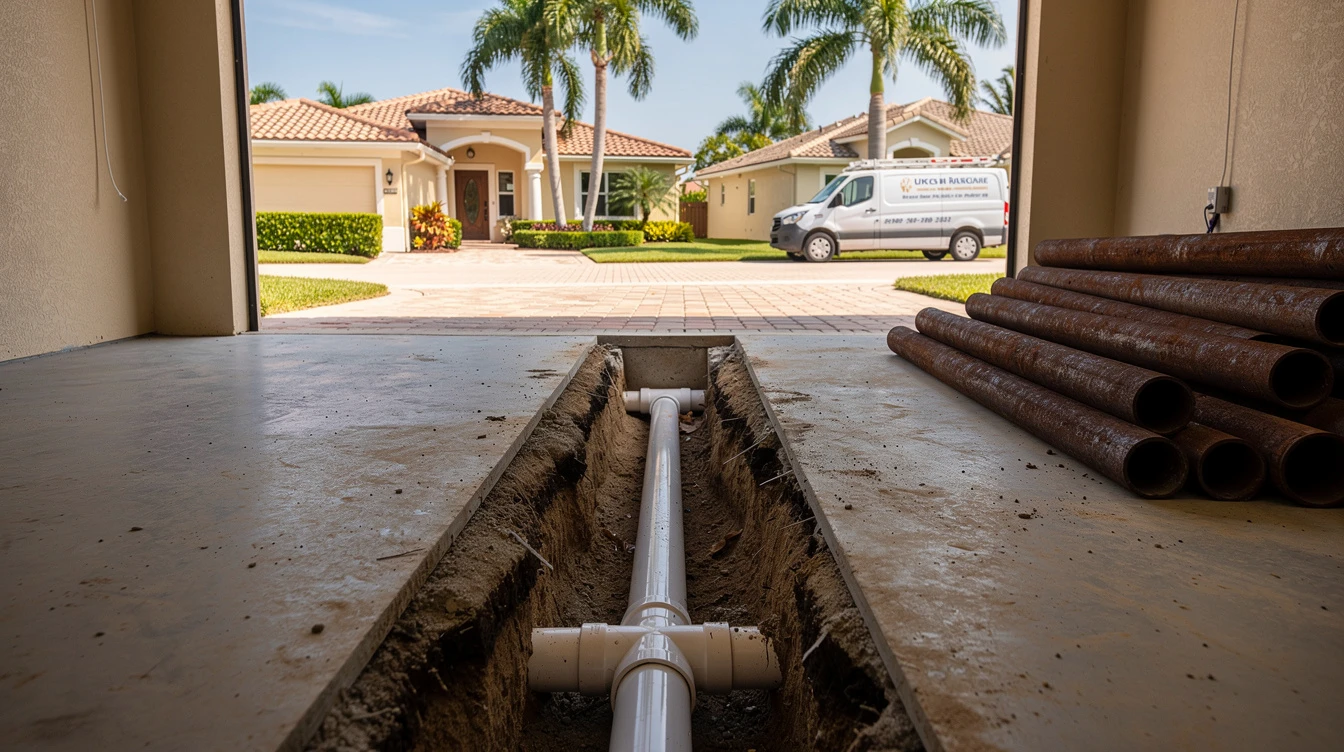
Cast iron corrodes from the inside, not the outside, which is part of why it's so easy to miss. Waste, cleaning products, and standing moisture wear down the lower half of the pipe first, a process plumbers call channeling. The top of the pipe can still look solid on camera while the bottom has rusted through completely.
South Florida's soil and water table make this worse. A shallow water table keeps the ground around buried pipe damp nearly all the time, and mineral-heavy scale builds up along interior walls until a four-inch line effectively narrows to the width of a drinking straw. Every joint along the way is also a soft spot roots will find given enough time.
Bottom channeling
The underside rusts open, letting sewage leach into the soil beneath your foundation.
Interior scale
Years of rust and mineral deposits shrink the pipe's opening and trap paper and grease.
Root damage at hubs
Fine roots enter loosened joints, expand over time, and eventually split the fitting.
Signs your cast iron may be failing
Homeowners rarely suspect the pipe itself until a plumber tells them. What they notice first is one of these:
The same drain clogging over and over, no matter how recently it was cleared.
An occasional sewer odor near a shower drain, hallway, or slab expansion joint.
Small drain flies or ants gathering around a fixture with no obvious food source.
Multiple fixtures draining slowly at the same time, hinting at one shared blockage point.
An unusually green or soggy patch of lawn running along the path of the sewer line.
Tile or grout cracking above the slab in a straight line tracking a buried pipe run.
A few of these can also point to a supply-side problem rather than the drain lines. If something feels off but you're not sure which system is at fault, our page on warning signs of a water leak covers the overlap.
Skip the guesswork with a camera
We thread a fiber-optic camera through the line and watch the feed live, so you see exactly where the pipe has worn thin, where scale has piled up, and where roots have gotten in. Book one through our diagnostic team before deciding on a repair path.
The camera decides which fix makes sense
A short patch of scale near one cleanout is a very different job than a line that's channeled and offset in several places. The camera tells us which one you're dealing with, and how much of the run is still structurally sound. That single detail is what determines which of the fixes below actually makes sense for your home.
Four options, and how to choose between them
There isn't one universal answer here. The right move depends on the camera results and how many more years you plan to own the house.
Not sure which one you need?(561) 760-1677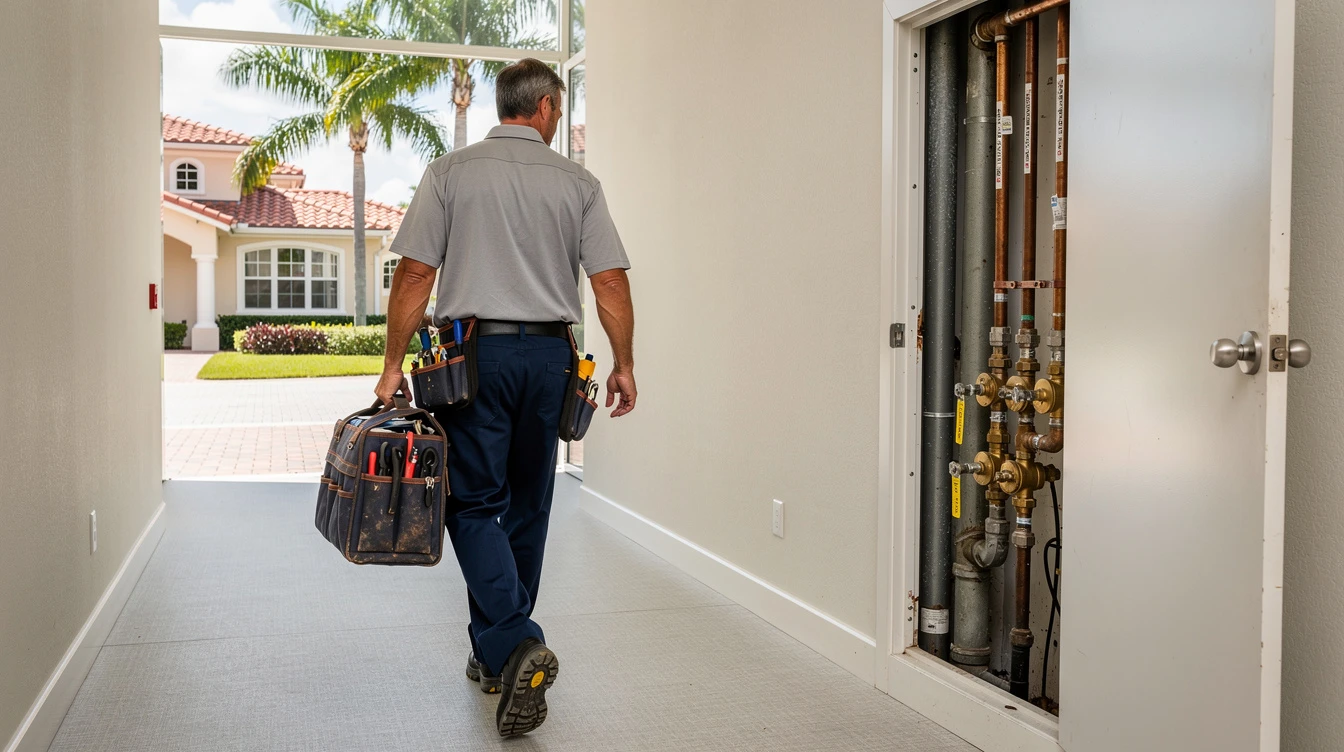
Hydro jetting for scale, not damage
When the pipe walls are intact but coated in years of buildup, hydro jetting blasts the interior clean with high-pressure water. It restores flow and can stop repeat clogs, though it does nothing for a channeled or cracked section. Treat it as upkeep that buys planning time, not a permanent repair.
Spot repair for isolated damage
If the camera turns up one bad joint or a short damaged stretch surrounded by pipe that's otherwise in decent shape, a targeted sewer line repair addresses just that section. It's the smallest job on this list and often the most cost-effective when the failure is truly localized.
Trenchless lining when the run is failing but intact
For lines showing widespread wear that haven't lost their structural shape, trenchless sewer repair installs a new liner inside the old cast iron, curing it in place. Your floors and yard stay untouched. It sits between a quick patch and a full rebuild: more durable than jetting, far less invasive than demolition.
Full replacement when the pipe is done
Once channeling has spread through much of the line, or the pipe has separated in multiple spots, lining stops being an option. Cast iron pipe replacement takes out the old system entirely and installs modern PVC in its place. It's more disruptive up front, but it's the only fix that removes the problem for good. Homes still running original supply lines too often pair this with whole-home repiping in the same visit.
Why insurers care about your drain lines
More Florida insurers are asking about cast iron plumbing directly on renewal applications, and some are declining coverage or adding exclusions for homes that still have original drain lines. A documented camera inspection, or proof of repair or replacement, can protect your policy as much as your plumbing. If a renewal letter has raised questions about your pipes, addressing them sooner tends to cost far less than scrambling for new coverage later.
Cast iron pipe served its purpose for decades, and plenty of it still has life left. The homeowners who avoid a surprise flood or an insurance headache are the ones who get the line inspected early, understand what the camera actually found, and choose a fix sized to the real damage rather than a generic worst case.
Ready to find out where your home stands?
Call (561) 760-1677 and we'll get a camera inspection on the calendar. You'll see the footage yourself and walk away with a clear next step, no pressure toward the most expensive option.
Additional guides for older homes
Additional guides for owners of older Palm Beach County homes.
Boca Raton Emergency Plumbing SFL blog
Practical guides on drains, leaks, water heaters, and maintaining an older home's plumbing.
Full library →Warning signs of a hidden water leak
How to tell a supply leak from a drain problem when the symptoms overlap.
Related read →Cast iron pipe replacement
A permanent solution for slabs with channeled or root-cracked drain lines.
Our service →Trenchless sewer repair
Rebuild a failing sewer line from within, without tearing up floors or landscaping.
Our service →A camera inspection tells us what to recommend.
You watch the same footage we do, then we size the fix to the real damage. No pressure toward the most expensive option.
Call now · 24/7(561) 760-1677CFC1433655 · Serving Boca Raton & Palm Beach County · Boca Raton Emergency Plumbing SFL, 1220 Southwest 1st Way, Deerfield Beach, FL 33441.