
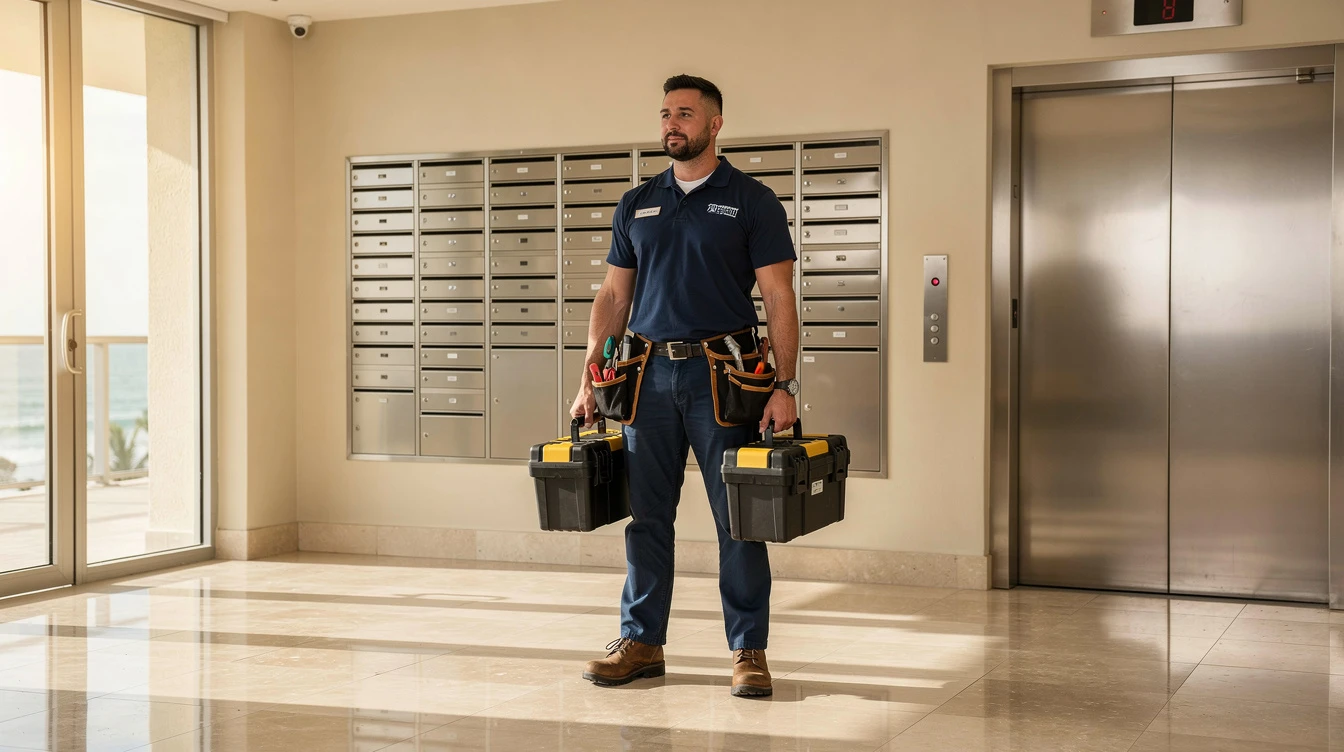
What Really Sets the Price on a Florida Water Heater Replacement
Two homes with the same size tank can get very different quotes. The tank is only part of the bill. Code requirements, where the unit sits, and the fuel it runs on all shift the total, and knowing why helps you judge a quote before you sign it.
The bill is built from several parts
"How much does a water heater replacement cost?" is one of the most common questions we field, and it never has a one-word answer. The final number is built from several parts: the equipment, the code requirements a licensed installer must include, and the labor your specific setup demands. Once you see how those pieces stack, a quote stops looking like a mystery.
We put the pieces in order below, starting with the part homeowners overlook most: the code items that make an installation legal and safe.
Talk through your setup(561) 760-1677
Start with what code requires
Before capacity or brand ever enters the conversation, a compliant Florida installation already carries a set list of components. Skipping them isn't a discount, it's a violation, and it can void insurance coverage down the line. A licensed plumber includes:
A safety pan
Placed under the tank and drained to an approved point.
A pressure relief line
Routed to the outside or to a safe drain.
An expansion tank
Required when the home has a closed plumbing system.
Storm strapping
Anchoring the tank so it stays put during a storm.
Correct valves and fittings
Proper isolation valves and dielectric fittings at the connections.
If a competing quote seems suspiciously low, check for these first. A missing pan or expansion tank is the usual reason two bids differ, not a difference in skill.
Ask directly
Request an itemized quote that separates the equipment cost from the code and labor items. A contractor who can't break it down usually hasn't priced the job carefully.
Then the tank itself
Capacity is the next variable. Moving from a 40 to a 50-gallon tank is a modest jump on its own, but a bigger tank sometimes calls for a wider gas line or a heavier electrical circuit, and those secondary costs are where budgets get surprised.
Standard tank or tankless
A tankless unit costs more up front, and the gap widens once you account for the supporting work: new venting, a larger gas feed, and often an electrical circuit for the ignition system. That's why the sticker price on a tankless unit rarely matches the final invoice. In exchange you get continuous hot water and a unit that frees up closet space, a real benefit in smaller South Florida homes, but plan for the retrofit work, not just the box.
Where the tank sits changes the labor
A ground-floor garage swap is the fastest and least expensive scenario. A closet install inside living space takes more care around the pan and drain routing. An attic replacement takes the longest: hauling the old tank down, carrying the new one up, and finishing the pan and piping in tight, hot conditions all add hours that show up on the invoice.
Permit, inspection, and haul-away
Most South Florida cities require a permit and inspection for a water heater swap, confirming those code items were installed correctly. That matters at resale and with your insurer. Removing and disposing of the old tank is a smaller line item, but it belongs in the quote, not tacked on as a surprise afterward.
Should you repair instead?
Replacement isn't always the answer. It's worth ruling out a repair before you price a new unit.
Repair makes sense on younger units
If the tank is under six or seven years old, a bad thermostat, a burned-out heating element, or a stuck relief valve is often an inexpensive fix. Before assuming the worst, have a technician run a water heater repair diagnosis to rule out the simple causes.
Replacement makes sense past year ten
Rust in the water, sediment rumbling inside the tank, or moisture collecting at the base are signs the tank itself is failing rather than a single part. If you notice pooling water, review the common warning signs of a leak to confirm what you're seeing. Past that point, a water heater replacement stops repeat service calls and buys you another decade of reliable hot water.
Why Florida tanks age faster
Mineral-heavy tap water coats the tank interior and heating elements in scale over time. That layer makes the unit work harder to heat the same amount of water, which speeds up wear and shortens the lifespan compared with the same model installed somewhere with softer water.
How to read your quote
A trustworthy quote lists the tank and its capacity, the required code items, labor tied to where the unit sits, the permit, and disposal. If one bid comes in far below the others, ask what's missing before you assume it's a deal. It's usually the pan, the expansion tank, or the permit fee left off the page.
Your home's setup is the only thing that determines the real number, not a generic price list. Call (561) 760-1677 and we'll walk through your tank, your fuel type, and your space before recommending repair or replacement.
Plan the repair before it becomes expensive
A few other resources to help you plan repairs before small problems become expensive ones.
All plumbing articles
Explore every homeowner guide we've written on repairs, replacements, and local code rules.
Full library →Water heater repair
A guide to the common, affordable fixes worth attempting before a full replacement.
Try this first →Water heater replacement
What a proper, code-compliant install includes from start to inspection.
Full replacement →Water leak warning signs
The early signals that point to a failing tank or a hidden supply-line leak.
Catch it early →Find out what your replacement will actually cost
Tell us the tank, the fuel type, and where it sits, and we'll price the job against your home instead of a generic list.
Call now · 24/7(561) 760-1677Licensed & insured · FL CFC1433655 · Boca Raton Emergency Plumbing SFL, 1220 Southwest 1st Way, Deerfield Beach, FL 33441.